Beyond October
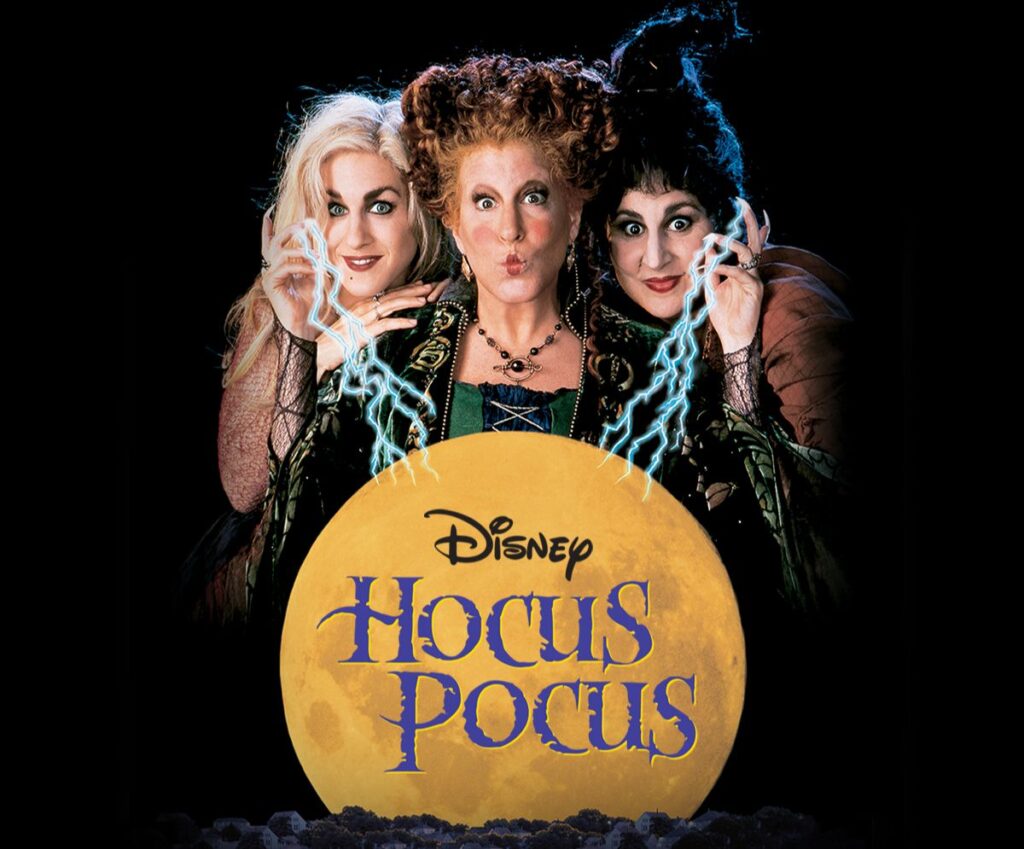
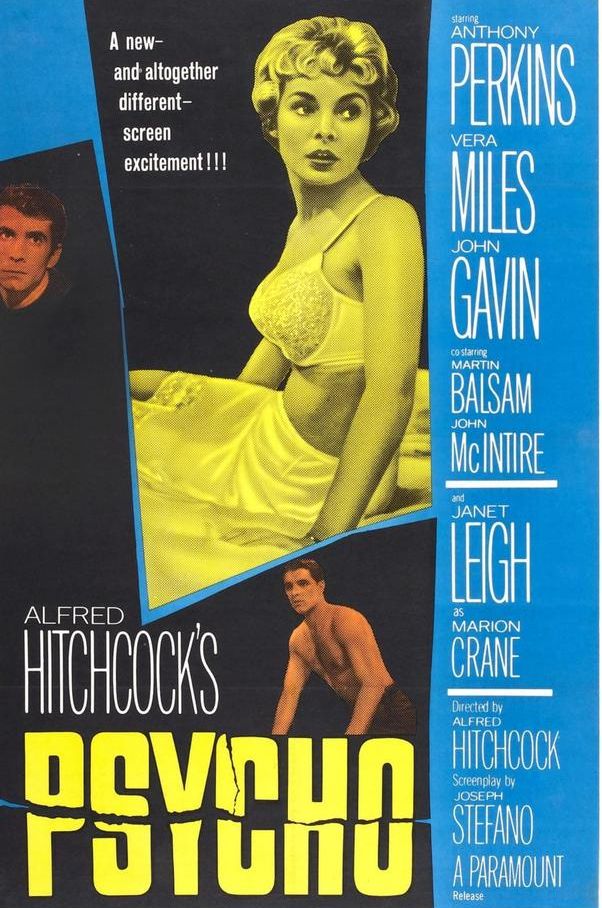
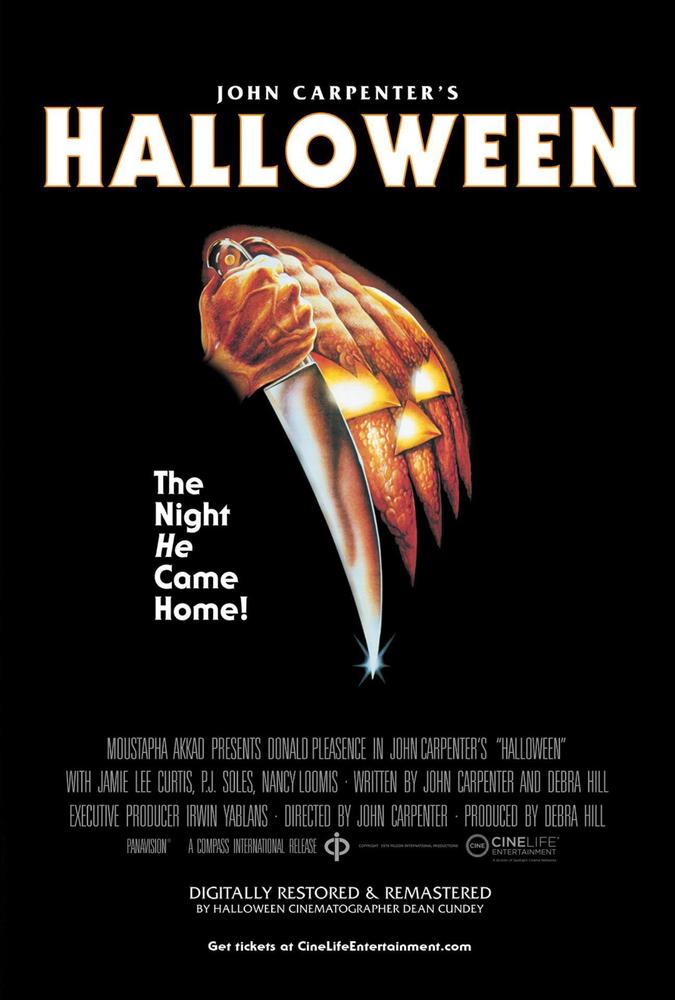
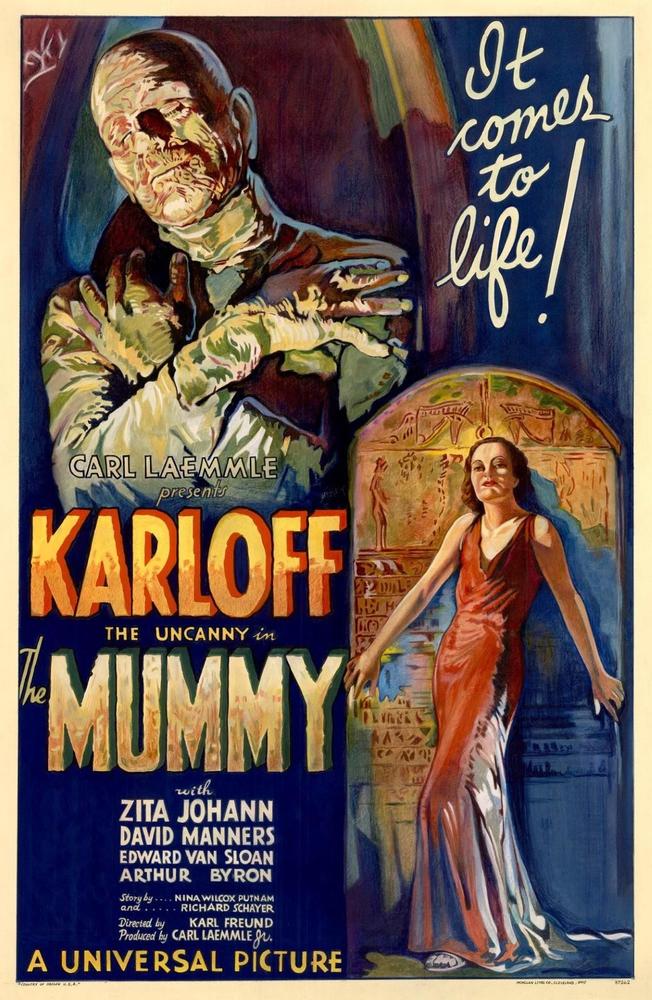
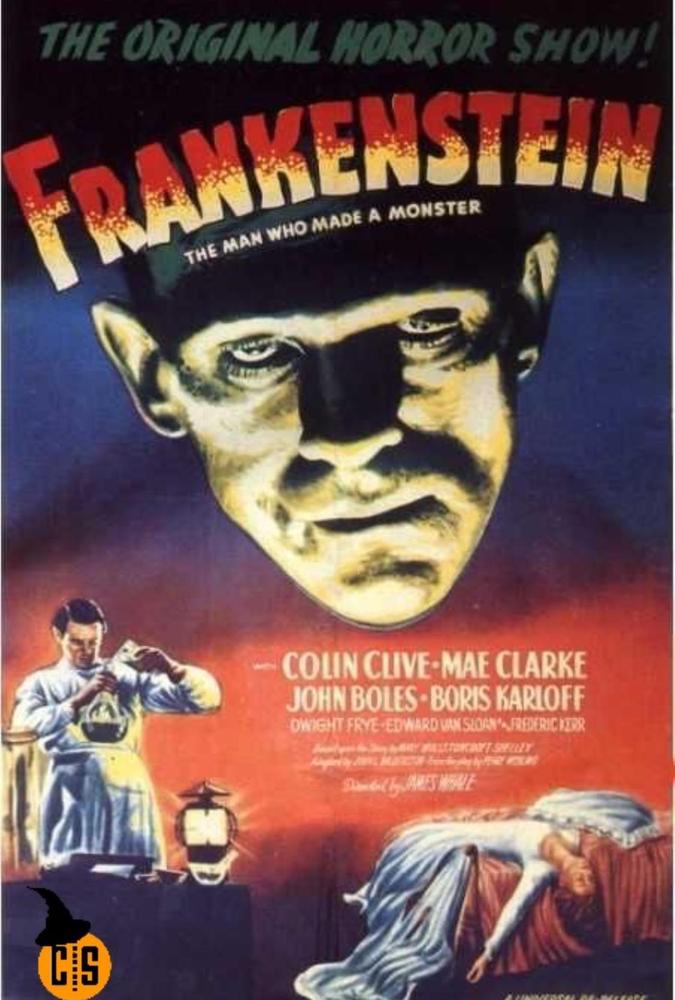
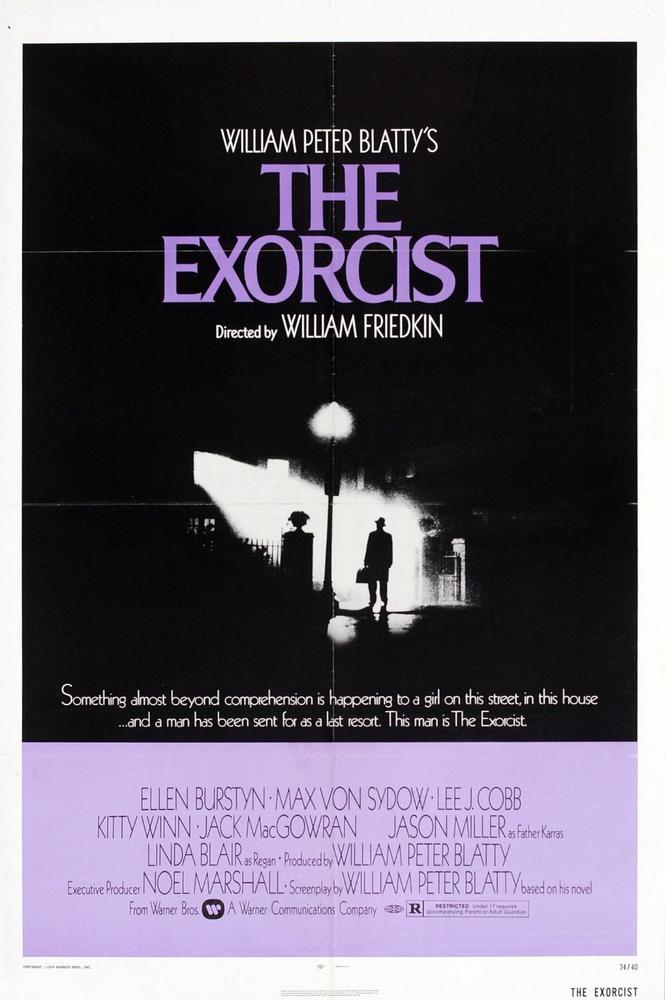
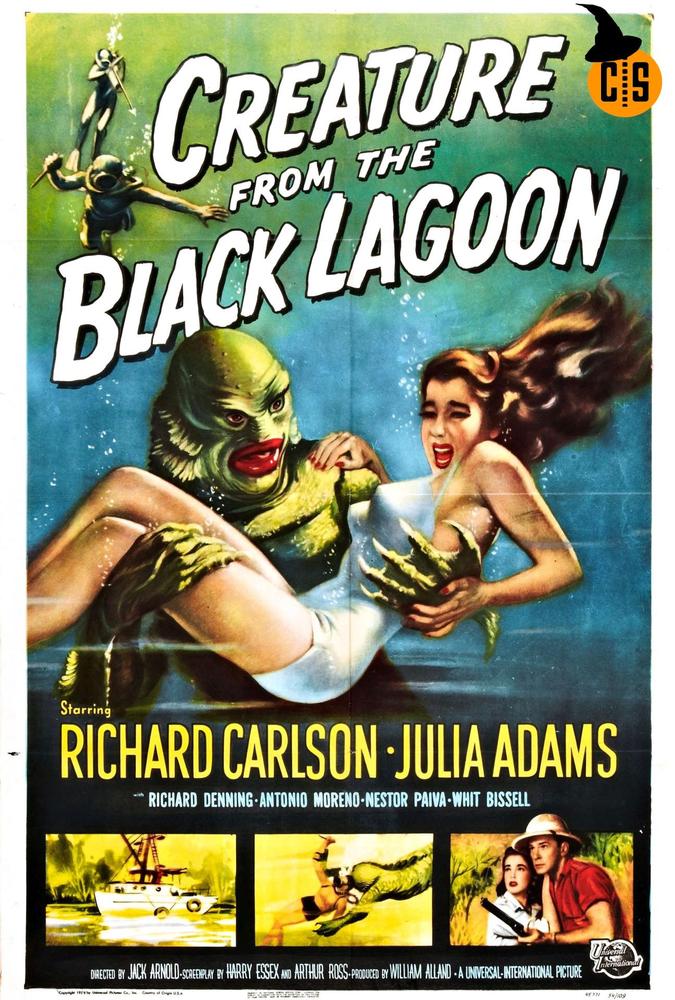
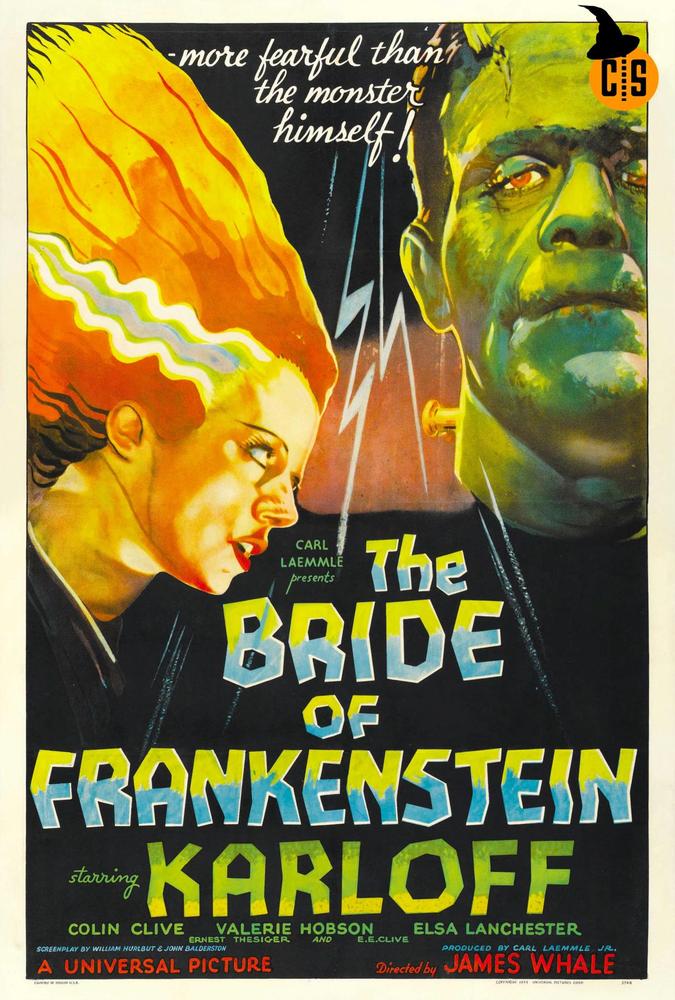
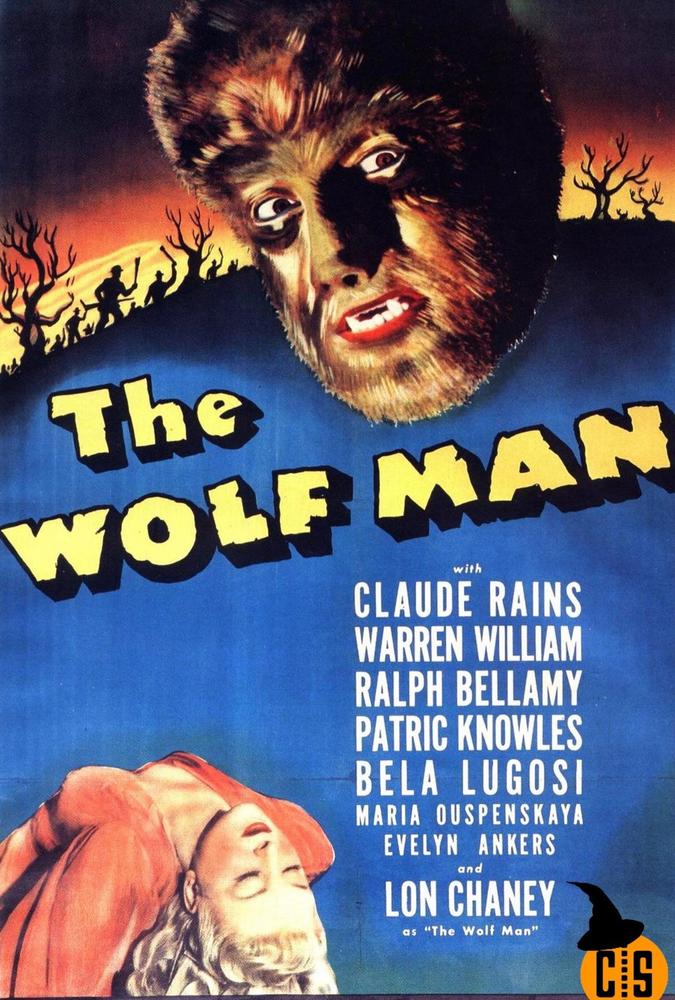
We’re officially halfway through October. Our screens remain full of scary — or at east intended-to-be-scary — stuff. We had a bumper crowd last night for Psycho, and the film will stay with us through the weekend. Along with it, there’s The Exorcist, the original John Carpenter Halloween, a slew of Universal Mansters, and of course, Hocus Pocus.
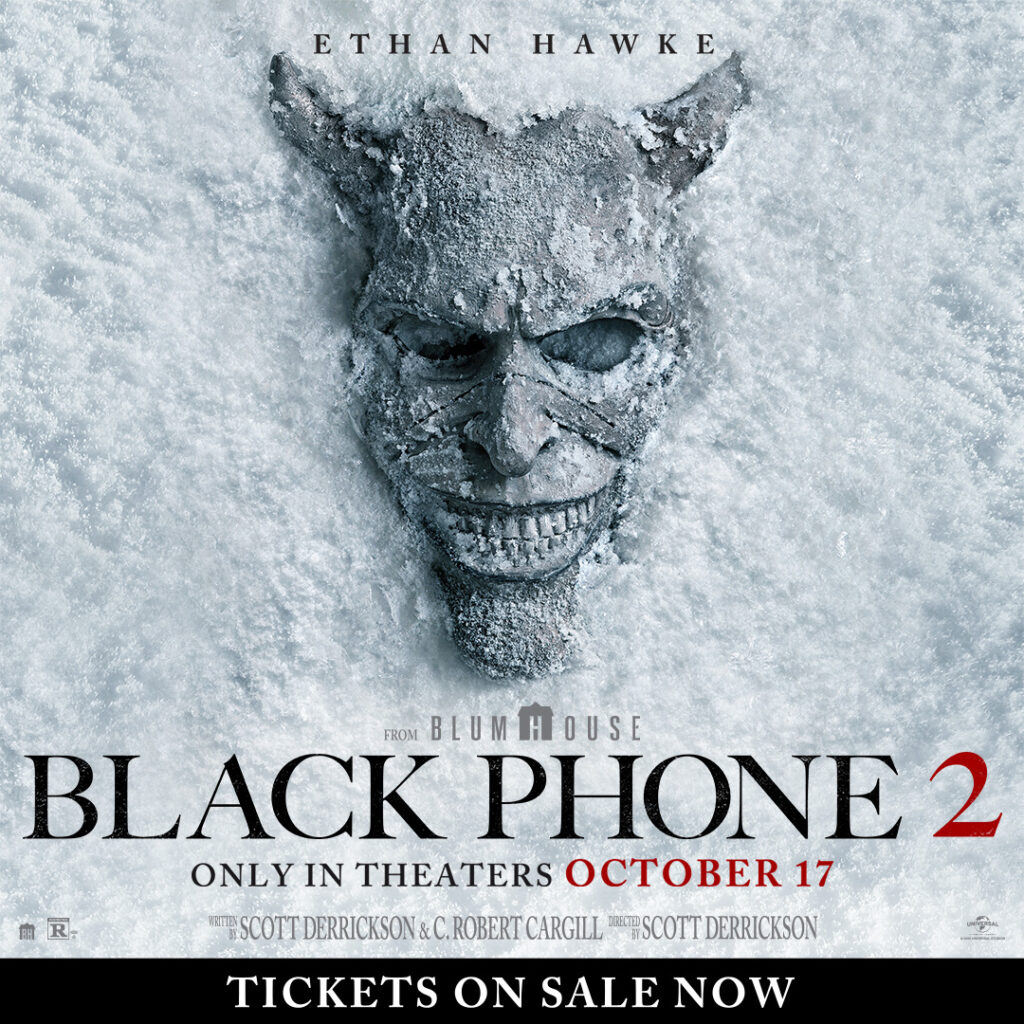
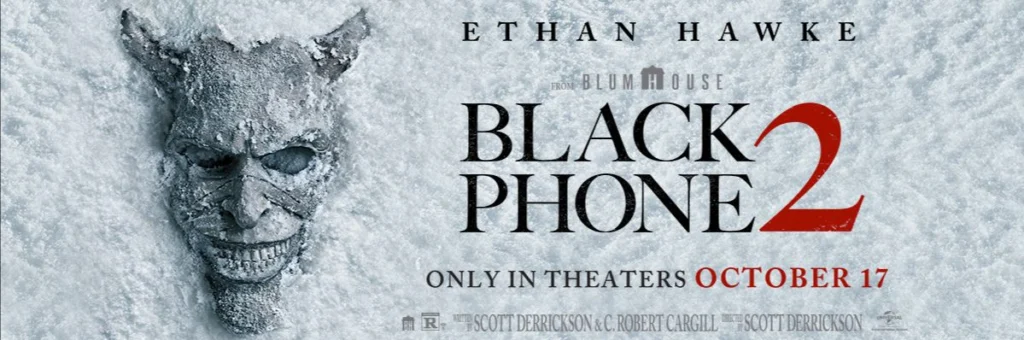
In addition, one of our few October first-run films opens Friday. Black Phone 2 is getting good reviews, especially for Ethan Hawke, who is showing he can be an exceptionally good bad guy.
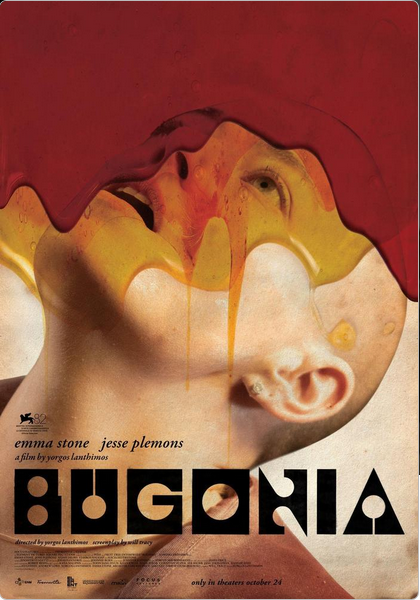
But having half of October in the rearview mirror suggests we might reasonably take a look at what’s beyond Halloween. Notable in the film category, opening November 1, is Bugonia. It’s the latest from Yorgos Lanthimos, who gave us Poor Things, and it stars Emma Stone, who won an Oscar for her performance in that film. And on November 21, we get the second Wicked extravaganza installment, Wicked: For Good.
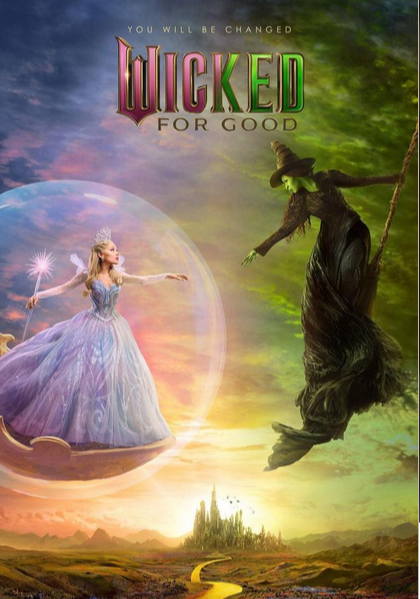
With the arrival of Wicked: For Good, we enter the holiday movie season. Sometimes this means blockbusters, sometimes not. It’s a reasonable moment to consider the state of the film industry as a whole and what we can expect next year and in years to come.
I was prompted to pursue this topic by a recent podcast in which Derek Thompson (a journalist who left The Atlantic a few months ago to start his own Substack) interviewed Ben Fritz, a Wall Street Journal entertainment reporter. They confirmed all the bad news you’ve been hearing about the film industry: Ticket sales to movies are down 40% from pre-pandemic numbers, and the number of people in the L.A. area working in the film industry is also down about 40%. Any kind of business that’s off by 40% is in serious trouble.
A big part of the explanation for this precipitous decline (other than the pandemic) is that Hollywood was relying on formulas that had passed their sell-by date — mainly Marvel and other big franchises that are no longer box-office gold. Now everyone involved in filmmaking is casting about to find a way out of this wilderness.
While this is certainly a 21st century story, it’s also part of an age-old pattern that plays out in all kinds of fields. Someone does something that is successful, and others jump in to imitate and refine it. Eventually, creative people in that field begin to feel the original idea has been exploited fully, and they decide to do something new. Sooner or later, somebody’s new thing succeeds to the extent that others imitate and refine it. And the whole cycle starts over again.
My own background is in classical music. I know that, again and again, one musical style becomes popular, and the features of that style become the rules of the game — until composers start to feel constrained by the rules and decide to do something else. My favorite example is the contrast of Bach and Mozart. J.S. Bach was such a master of the elaborate Baroque style of counterpoint prevalent in the 18th century, that little room remained for composers to explore new territory in that style. So they decided to do something else. The simpler melodies, lighter textures and regular phrases that had their epitome in Mozart’s music became hallmarks of the Classical period in music. But what finally became known as “classical style” was evident only in retrospect, after it had coalesced. And between Baroque and Classical, there was a lot of experimentation and a good deal of mediocre music. But finally, we got Haydn and Mozart.
The film industry seems to be in a comparable transition right now. The lack of a clear path ahead is complicated by the arrival of AI, a real wild card. Ben Fritz, the WSJ reporter, thinks the decline in the industry will get worse for a while and put still more people out of jobs. But it will also open opportunities for new talent and allow filmmakers to emerge who will use new technologies to support ideas that had been too difficult, too expensive, or too “different” to succeed. Consider the scaled-back movies of the 1970s, made as audiences became disenchanted with the conventions of the 50s and spectacles of the early 60s
At our cinema, we are experiencing our own version of the larger industry transition. Marshall tells me that our recent ticket sales reveal a remarkable shift toward new forms of programming: This fall only one-third of our revenue has been tied to new films made by Hollywood studios. The rest has come from older films, live performances, private rentals, and an increasing number of independent films brought directly to us by their producers. Some of those truly small budget indie films are good. (OK, some are not.) But the point is that people keep making movies. The desire to tell stories seems a part of human nature, and many people want to do their storytelling visually. No one can predict what new directions cinema will take, but we believe, one way or another, it will survive.
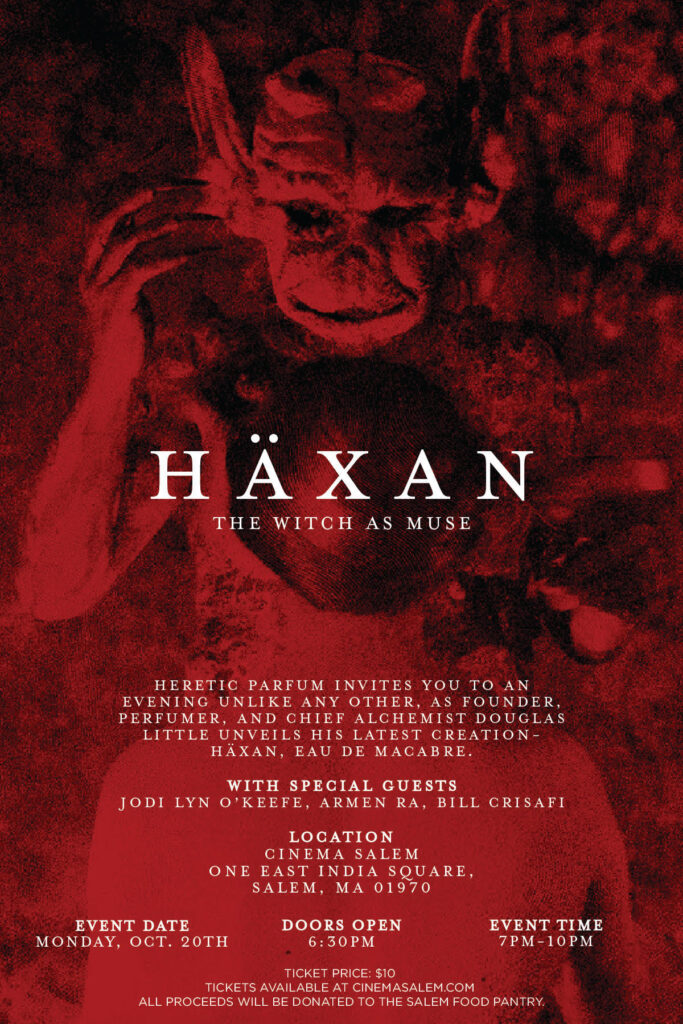
So, indie filmmakers: Keep asking us to show your films. We will place them alongside Shakespeare performed by Brits, burlesque performed by Muppets, and birthday parties “performed” by our community..
Reminder about October schedule
During October, we will be open Wednesday through Sunday, and closed Monday and Tuesday. This schedule will be in effect through Sunday, November 2. We will be closed on Halloween, October 31.
From now through November 2 our captioned screenings and $7 tickets will be on Thursdays.
Salem and North Shore residents get $8 tickets for regular screenings through November 2. Cinema Salem members always get $8 tickets, but during October, they can bring any number of guests at the member price. (Wednesday Classics and Weirdo Wednesday $5 ticket prices will not change in October.)
That’s all for now. Happy trails till next time. — Elaine
Hope to see you at the theater this week!
Now Showing and Coming Soon